Zhen Wei: Fleeting Moments
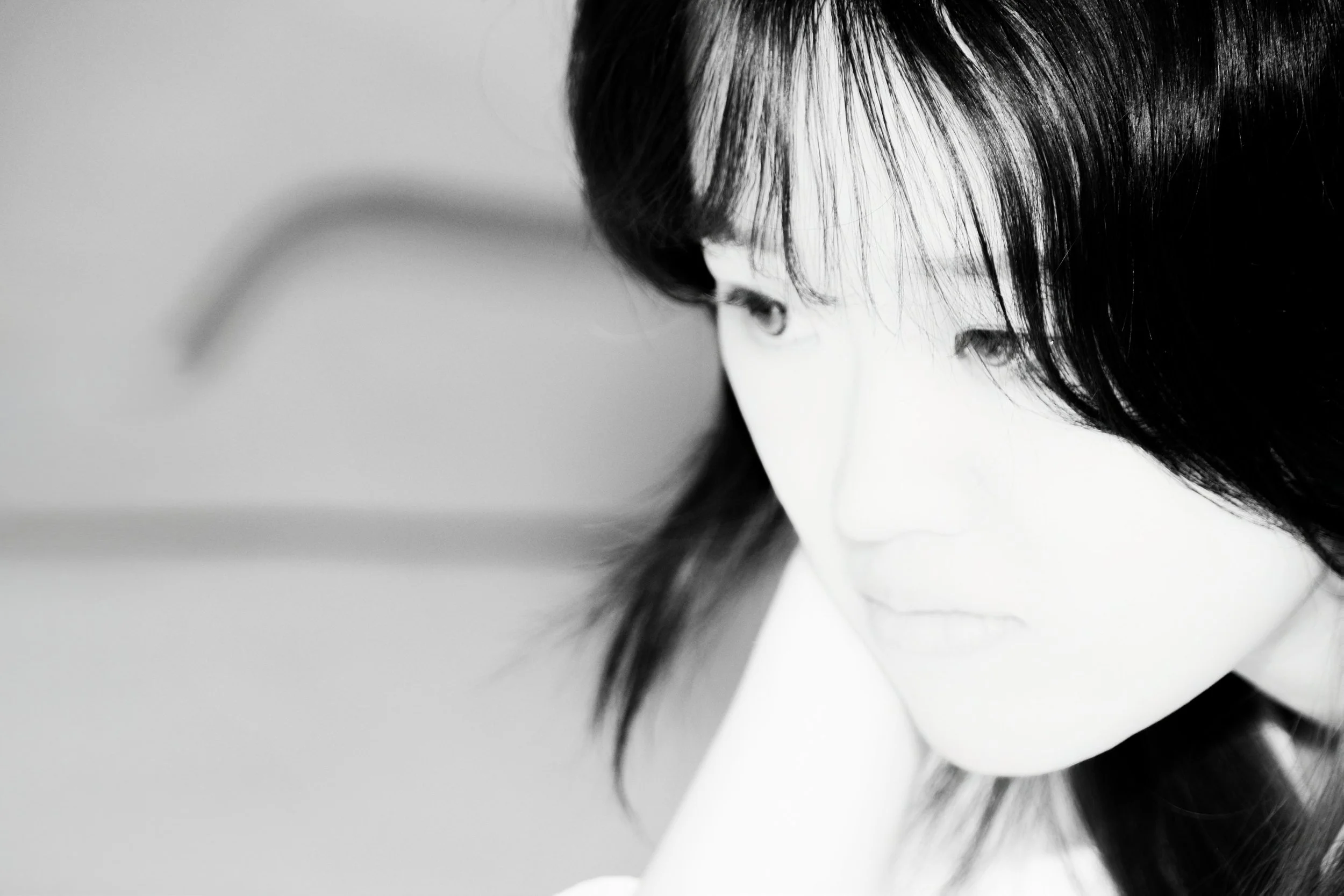
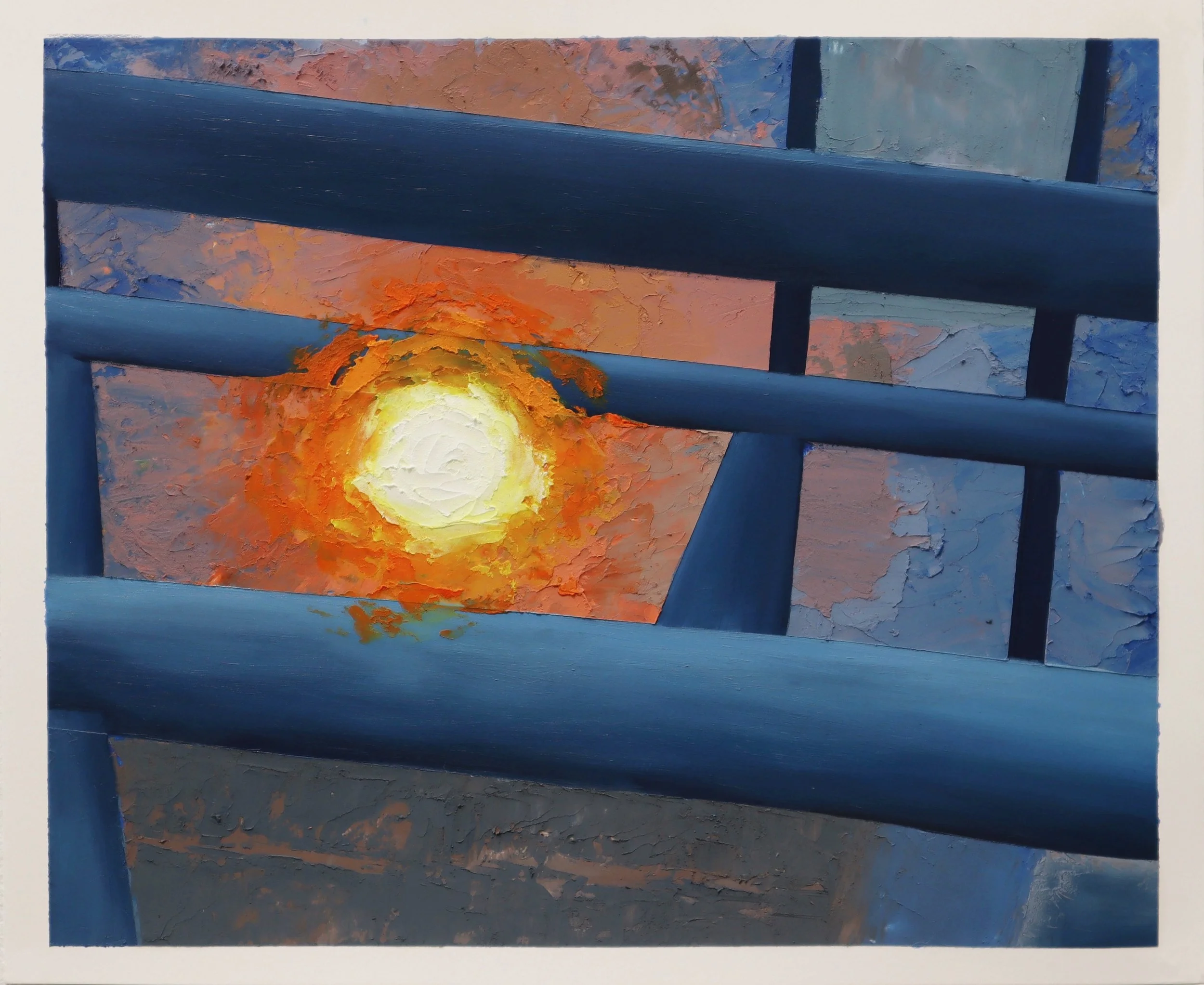
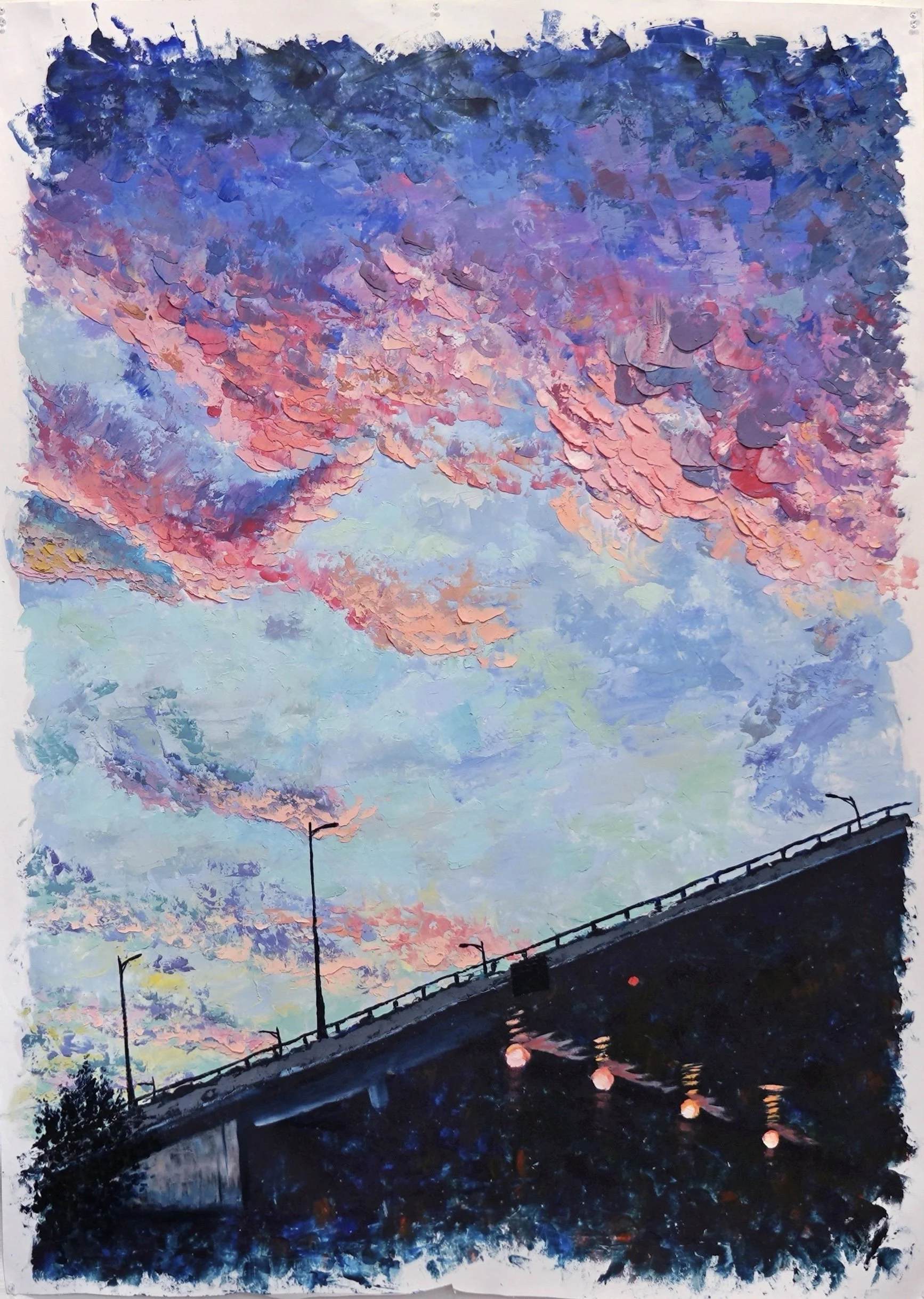
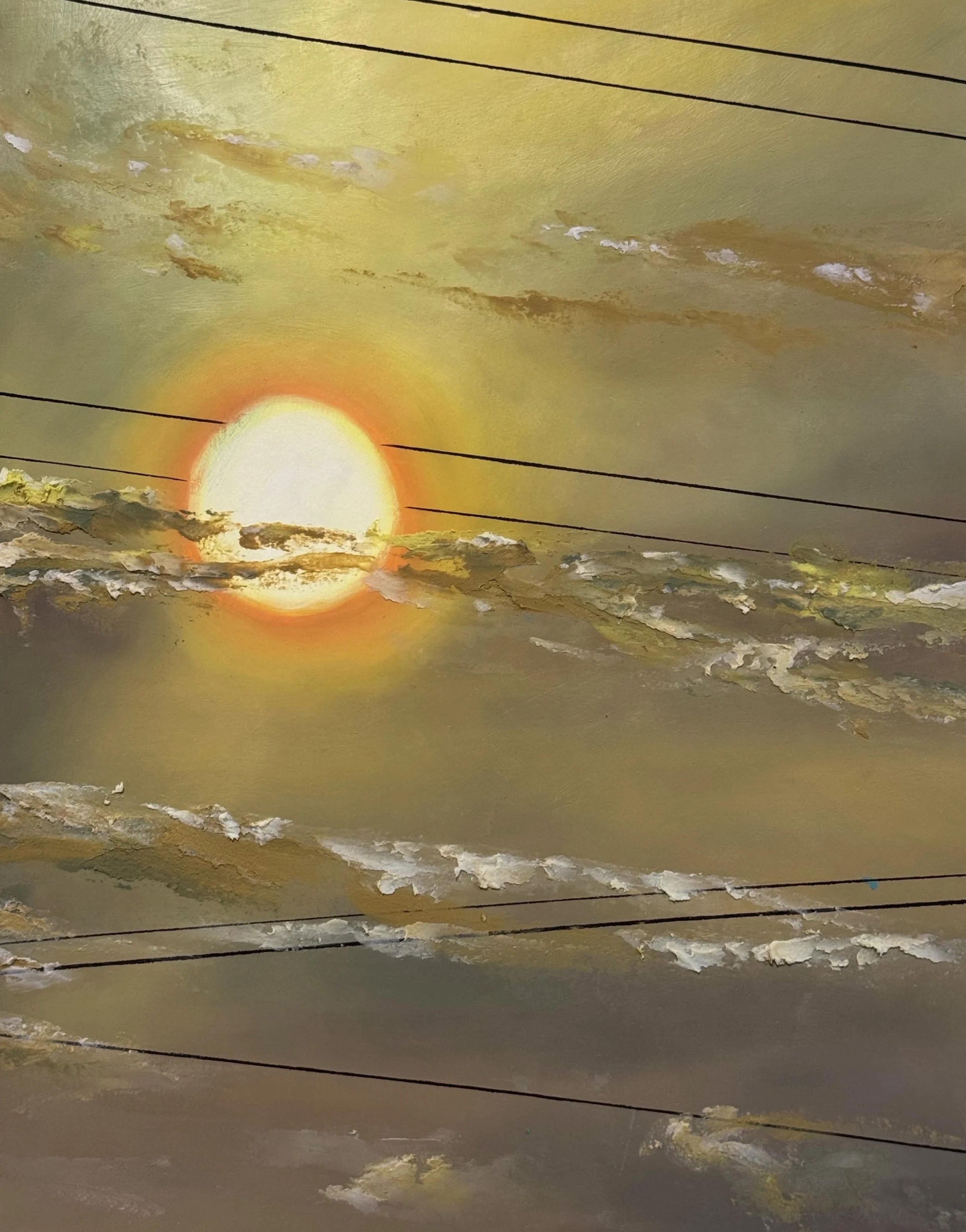
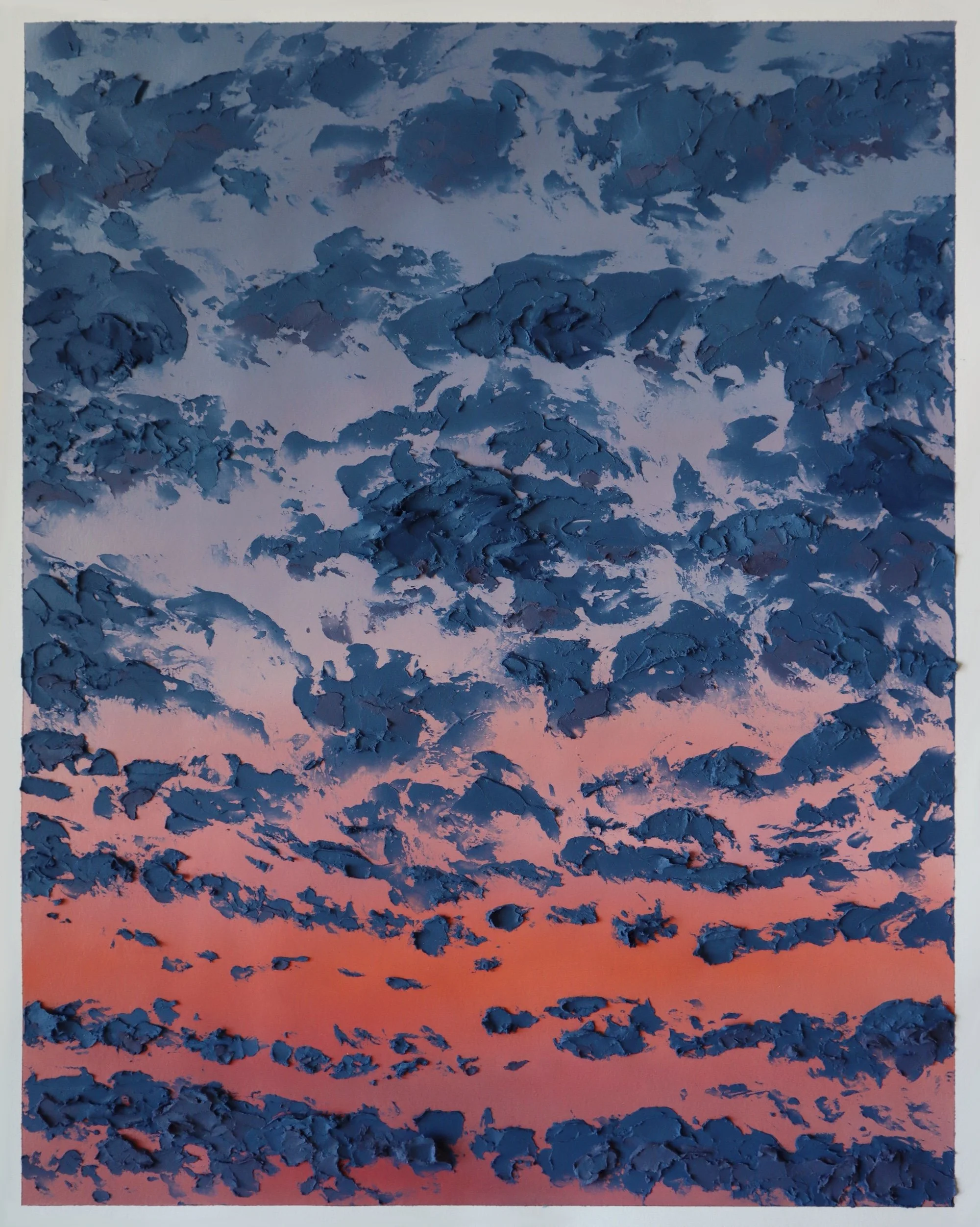
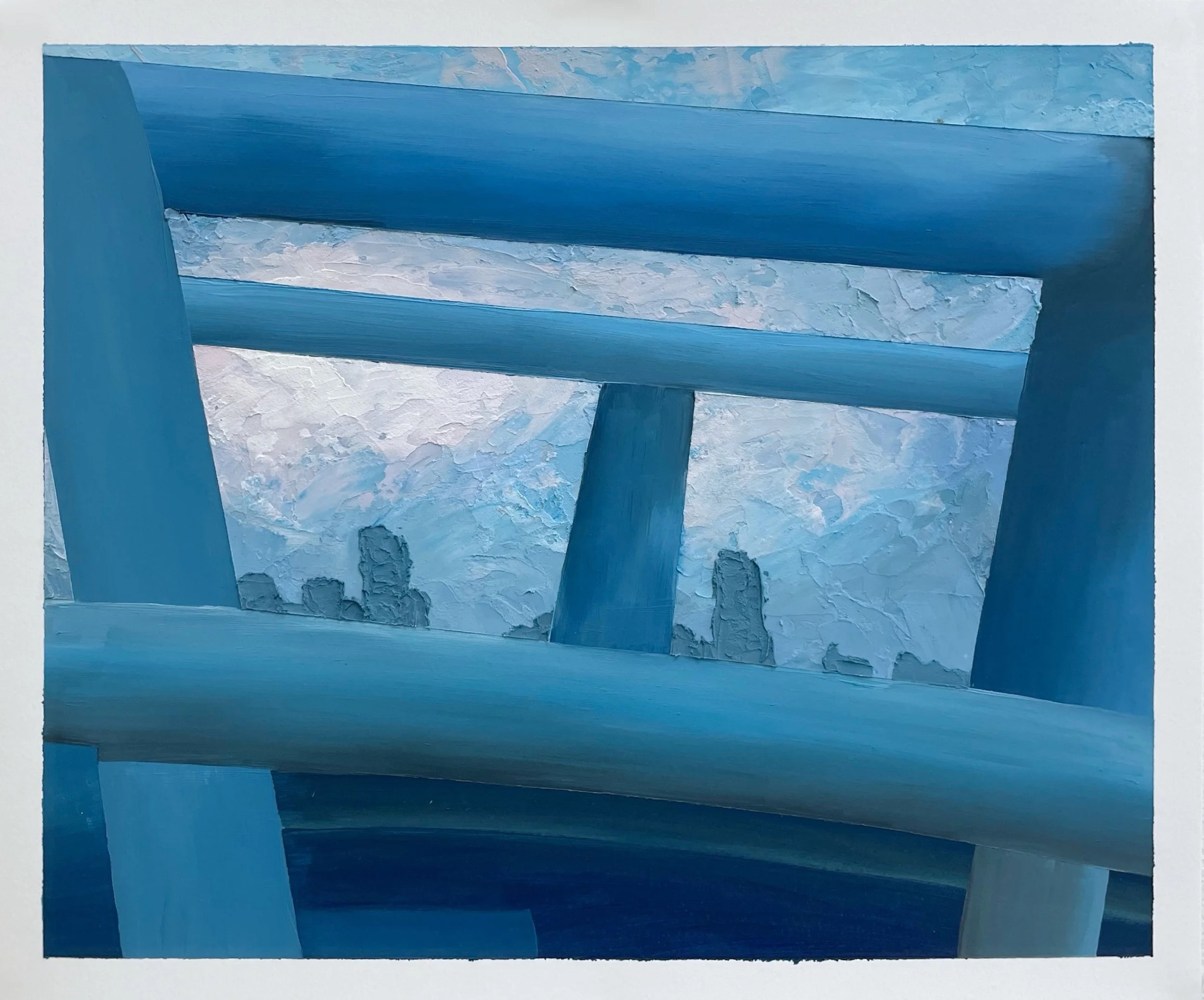
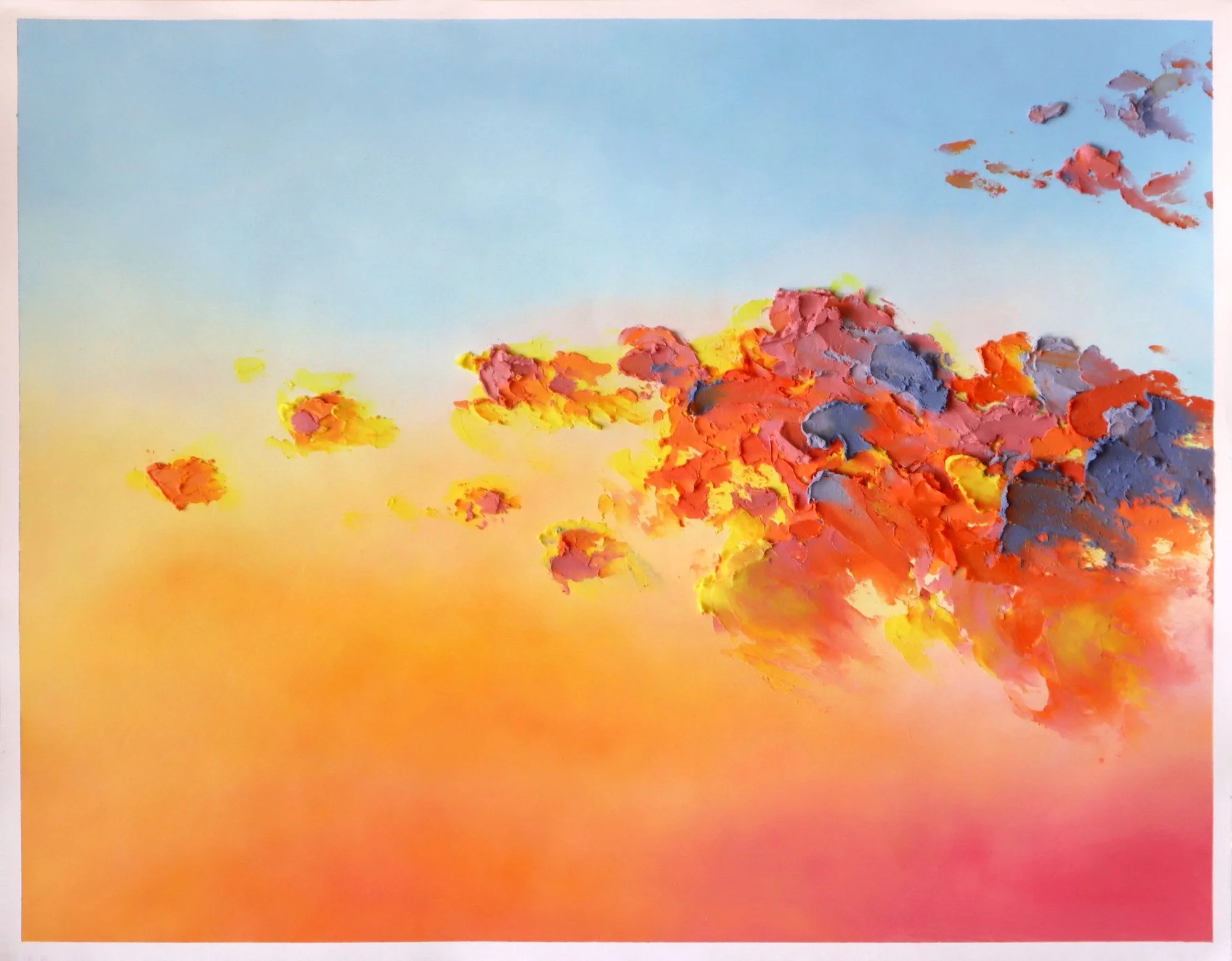
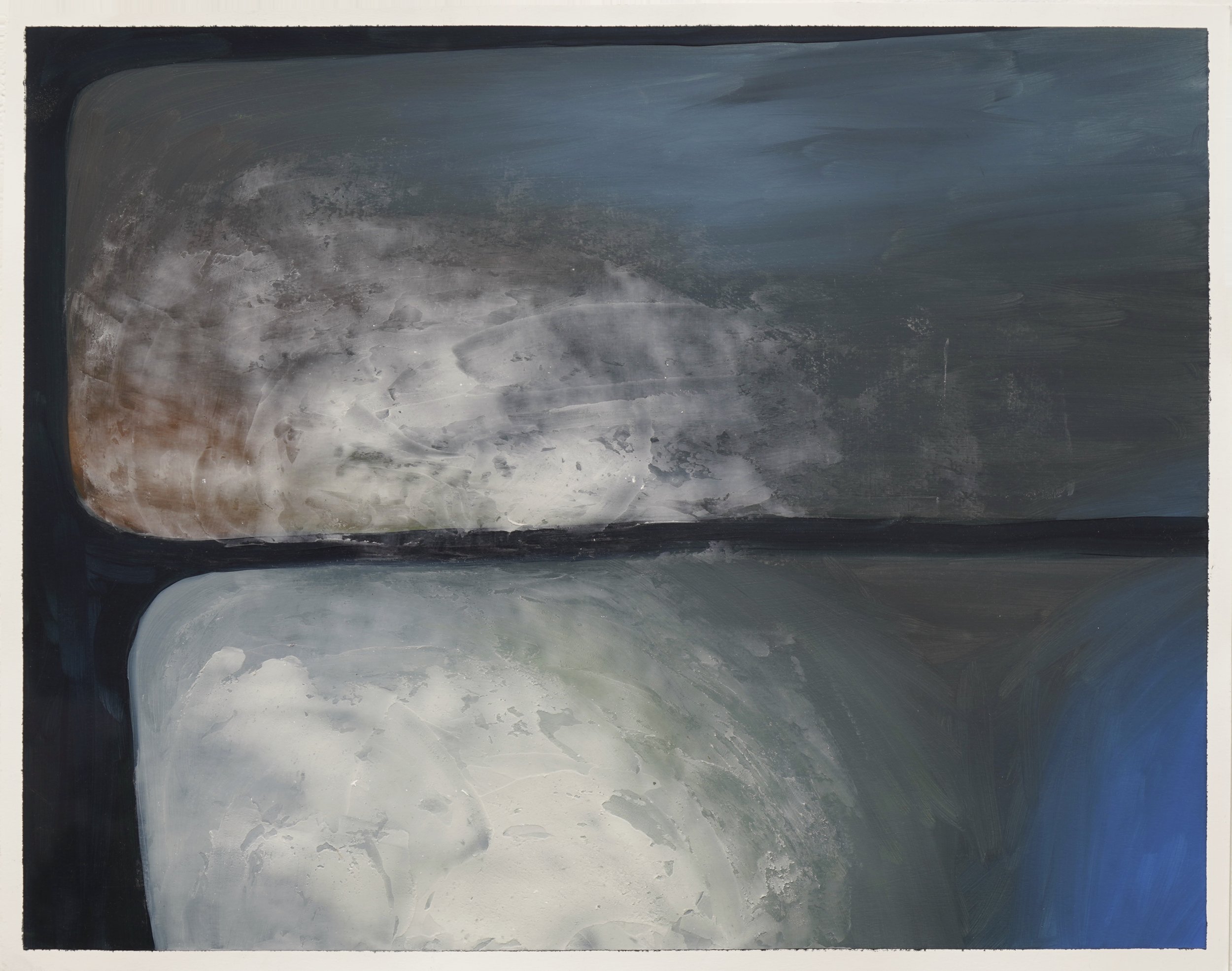
Zhen Wei is an artist living and working between Los Angeles and Xiamen. She received her MFA in Fine Arts from Claremont Graduate University in 2023. Working primarily with oil and cold wax on paper, alongside acrylic, photography, and installation, she translates fleeting urban scenes—skies, clouds, reflections and in-between views—into images that hover between observation and daydream. The dense, wax-laden surfaces compress time, holding traces of blurred motion and the soft afterglow of city light. Rather than grand narratives, Wei dwells on ambiguous, almost-overlooked pauses in everyday life, moments when attention slips and the world feels distant yet strangely present.
How did your creative journey begin?
My path toward art was not something I mapped out in a fully defined way from the beginning. It developed gradually through looking, recording, making, and reflecting over time. What first drew me was not a single clear topic, but those fleeting and difficult-to-name moments that appear in everyday urban life: a view through a car window, a brief pause within the flow of daily routines, or a moment when attention quietly drifts elsewhere. Art first became important to me as a way of holding feelings that were difficult to express directly in words. Later, especially during my MFA, I explored many different directions in my work and kept returning to certain kinds of images without always fully knowing why. Often the images came first, and only afterward did I begin to ask why I felt such a strong need to paint them. Over time, I realized that what connected them was a shared attention to moments of temporary distance from daily life—a brief inward return to the self. That recurring sensibility gradually became the core of my practice.
You often work with oil and cold wax on paper; what drew you to this combination of materials, and how does the process itself shape the mood of your images?
Paper is not a substitute for canvas in my practice. It is a material I feel deeply connected to through habit, memory, and cultural experience. Compared to canvas, paper feels more familiar, more direct, and more closely linked to writing, sketching, and everyday forms of recording. It has a quiet, humble quality, but also a sense of fragility and instability that I am drawn to. Oil and cold wax then allow me to build a surface that feels closely aligned with the way I experience and remember certain moments. Many of the images I work from are first captured through intuition rather than analysis. In the moment, the feeling is strong but also vague—immediate, yet hard to describe. It often becomes clearer only later, after time has passed and I return to look at it again. That is part of why cold wax feels so meaningful to me. Its milky, semi-opaque quality can gradually become more transparent over time, and that process mirrors the way a fleeting moment can slowly come into focus in memory. I am also drawn to its resistance, its grain, its layered and scraped surfaces, and the way it can seem solid one moment and almost melting the next. That unstable balance between clarity and blur, stillness and dissolution, is very close to the emotional and perceptual space I want the work to hold.
What does a typical day in the studio look like for you, and how has your art practice grown or changed?
My process often begins with photographing moments that catch my attention, but I usually do not paint them immediately. Instead, I let them remain in my camera roll or archive for a while and return to them over time. As my own state changes, the meaning of the same image also changes. Through that repeated looking, I begin to understand that what I want to keep is not simply the scene itself, but the structure of feeling attached to it. In the studio, I often work on several pieces at once, though there is usually one painting that becomes the main focus during a given period. Sometimes I think I have found the right way into an image, but midway through the process I realize something is not working. When that happens, I step away from the painting and let it sit, much like the original moment itself needed time to settle before I could understand it. Compared to earlier work, which was perhaps more direct in trying to capture a certain feeling of drifting away from daily life, my practice has become more intentional and more attentive to how that feeling can emerge through layering, pause, surface, and restraint rather than being directly declared.
How do you balance observation with introspection in your practice?
For me, observation and introspection are not separate processes. They happen together in the same moment. Very often, what I paint is not the result of a deliberate or analytical act of looking, but of an external scene leaving a trace on me at a particular psychological moment. The image itself may not carry a fixed narrative meaning, but it becomes important because it is bound to an inner state. I am not trying to paint my inner life directly. Instead, I am interested in painting the visual residue that inner experience leaves on the outside world. A landscape, a reflection, or a fragment of city space may not logically “mean” a particular emotion, but in lived experience they can become inseparable. Once they are linked, one can call up the other immediately. That is why my work tends to remain in that in-between space: observation gives me the image, while introspection gives it resonance.
How has social media impacted your work?
As an artist, I do hope that when my work is shared, it can be seen, felt, and recognized by others, so I do think social media is an important and necessary part of how work enters the public sphere. It creates opportunities for visibility, connection, and dialogue. At the same time, I also know that I am not someone who is naturally comfortable with self-promotion, nor am I completely immune to the emotional effects of metrics, feedback, and online response. Because of that, I try to approach social media carefully. I do not want the pace of my making or the inner rhythm of the work to be shaped too strongly by external visibility. There is also a more material tension for me: my paintings often rely on cold wax, surface variation, and subtle dimensional shifts, and those qualities are easily flattened in digital images. Online, the work can lose some of its tactile and atmospheric complexity. Even so, I still hope that something can come through on screen—perhaps an atmosphere, a pause, or a slight sense of perceptual drift—even if the full material experience cannot. I continue to think about how to balance the necessity of being seen with the complexity of how the work is actually felt in person.
Who or what has influenced your approach to light, atmosphere, and surface?
My approach to light, atmosphere, and surface has been shaped less by one single artist than by an accumulation of looking over time. I am deeply influenced by ordinary visual experiences: urban skies, reflections in glass, puddles after rain, changing weather, passing architecture, and the blur of movement. I pay close attention to how light falls on buildings and roads at different times of day, and how atmosphere can shift a scene from something familiar into something more suspended or ambiguous. Material also plays an important role in shaping the way I think about surface. Cold wax, oil, and paper each respond to light differently, and working with them has changed how I perceive depth, opacity, softness, and resistance. Music also matters to me in the studio. It can help me enter a particular emotional or perceptual state that brings me closer to the kind of image I want to make. So for me, influence is not a single source but a combination of lived experience, sensory attention, material response, and atmosphere.
How do you see your practice evolving in the dialogue between painting and the broader sensory or urban experience?
I increasingly feel that the questions I care about—fleeting perception, pauses within daily life, the relationship between surface and interiority, and the drifting quality of urban experience—do not belong only to painting, even though painting remains my central language. It is still the medium that feels most capable of holding delay, layering, disappearance, and return. At the same time, I am also interested in how these same concerns might extend into other forms and materials. I have been exploring that possibility gradually, not as a departure from painting, but as a way of opening it outward. I want to continue developing my work in a way that keeps painting at the core while allowing for more dialogue with space, material presence, and other modes of sensory experience. What interests me is not changing subjects, but expanding the ways those subtle moments of perception might be held and felt.