Jasper van den Ham: Transformed Memory
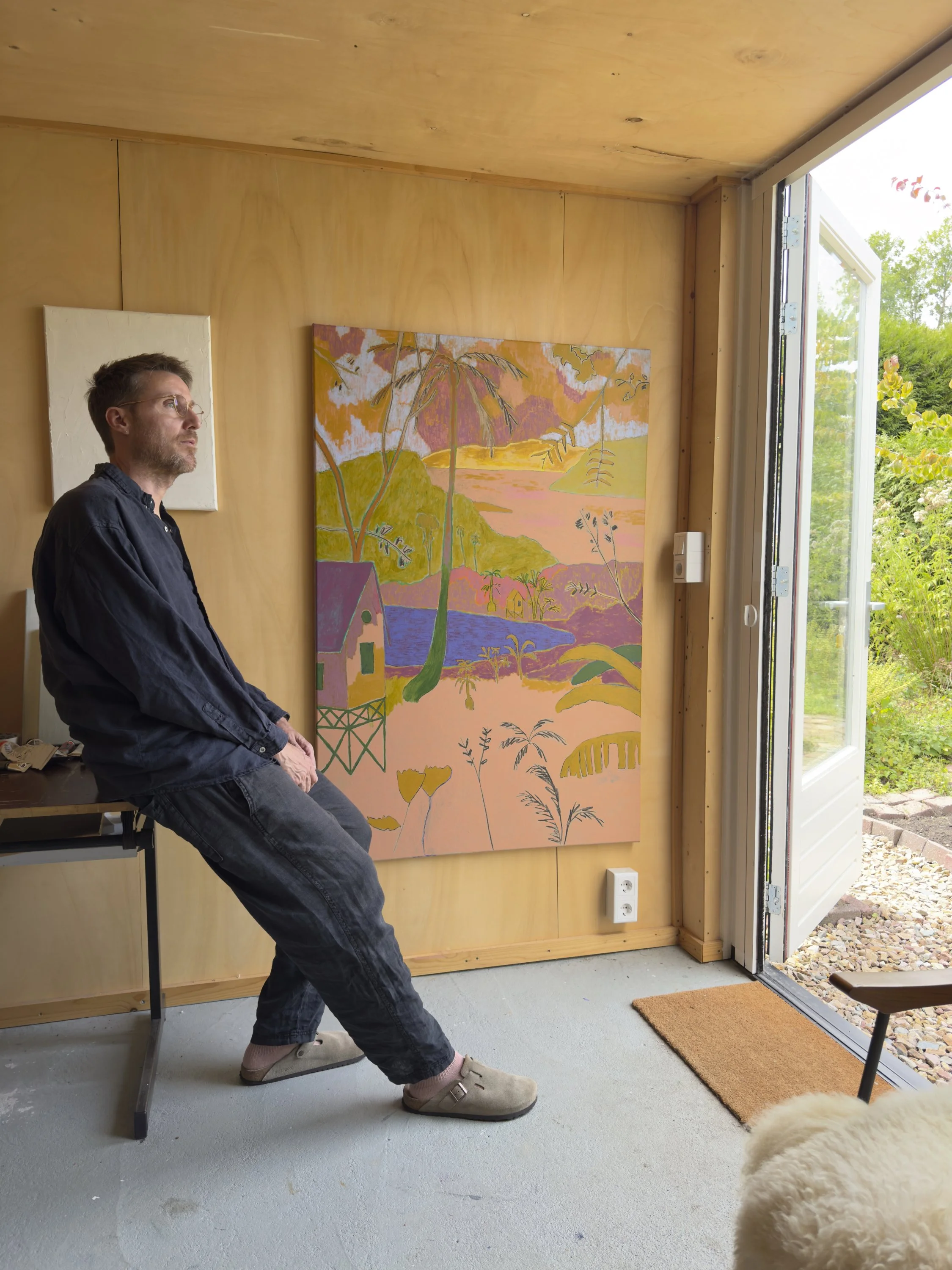
Jasper van den Ham (Lelystad, 1978) is a Dutch visual artist working primarily with painting and works on paper. His work moves between landscape, interior, and imagined space, drawing on memory, observation, and recollection. Originally trained as a fine art photographer, Van den Ham began focusing on drawing and painting several years ago. His photographic background continues to inform his approach to framing, light, and composition, while his paintings have developed increasingly away from the logic of the camera. Frequent relocations during childhood contributed to an enduring interest in place, displacement, and memory, themes that continue to inform his practice.

How did your creative journey begin?
I started taking photographs alongside my regular job. After moving to a new city, I had the idea of making a photobook about the place I had just arrived in. What began as a personal project grew into a crowdfunding campaign, and photography gradually became a much more serious part of my life.
I began selling my photographs and was later selected for NewPhoto: Dutch Photography Talent. Then there was a period when I stopped making anything creatively altogether.
A few years later, I started painting. It wasn’t something I had been working towards or had planned as a next step. I simply began, and quite quickly realised that painting offered a freedom I hadn’t experienced before.
Looking back, photography was where I first learned to pay close attention to light, framing, composition and atmosphere. Those ways of looking never really left; they simply found their way into a different medium.
How does your background as a fine art photographer shape your artistic practice?
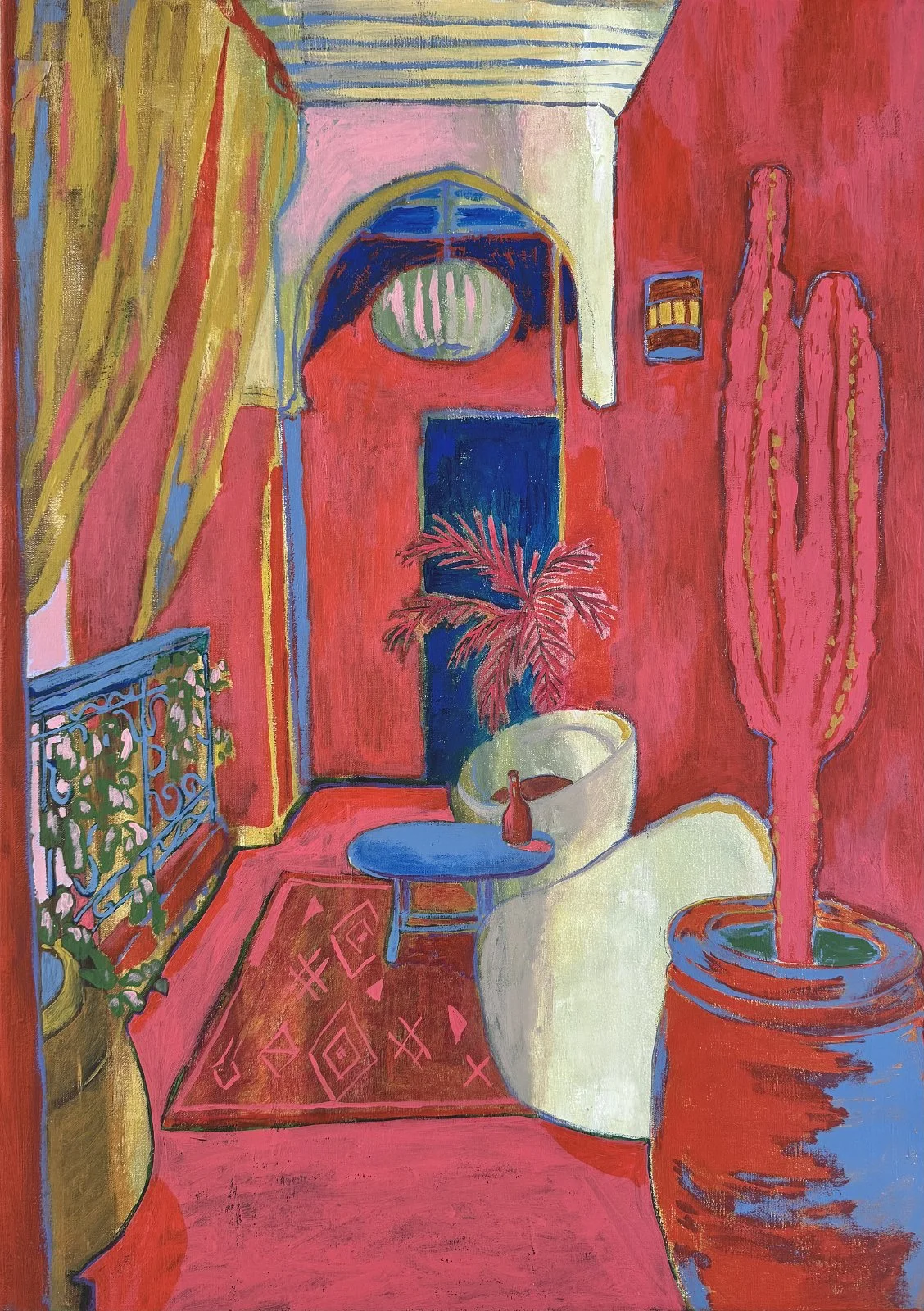
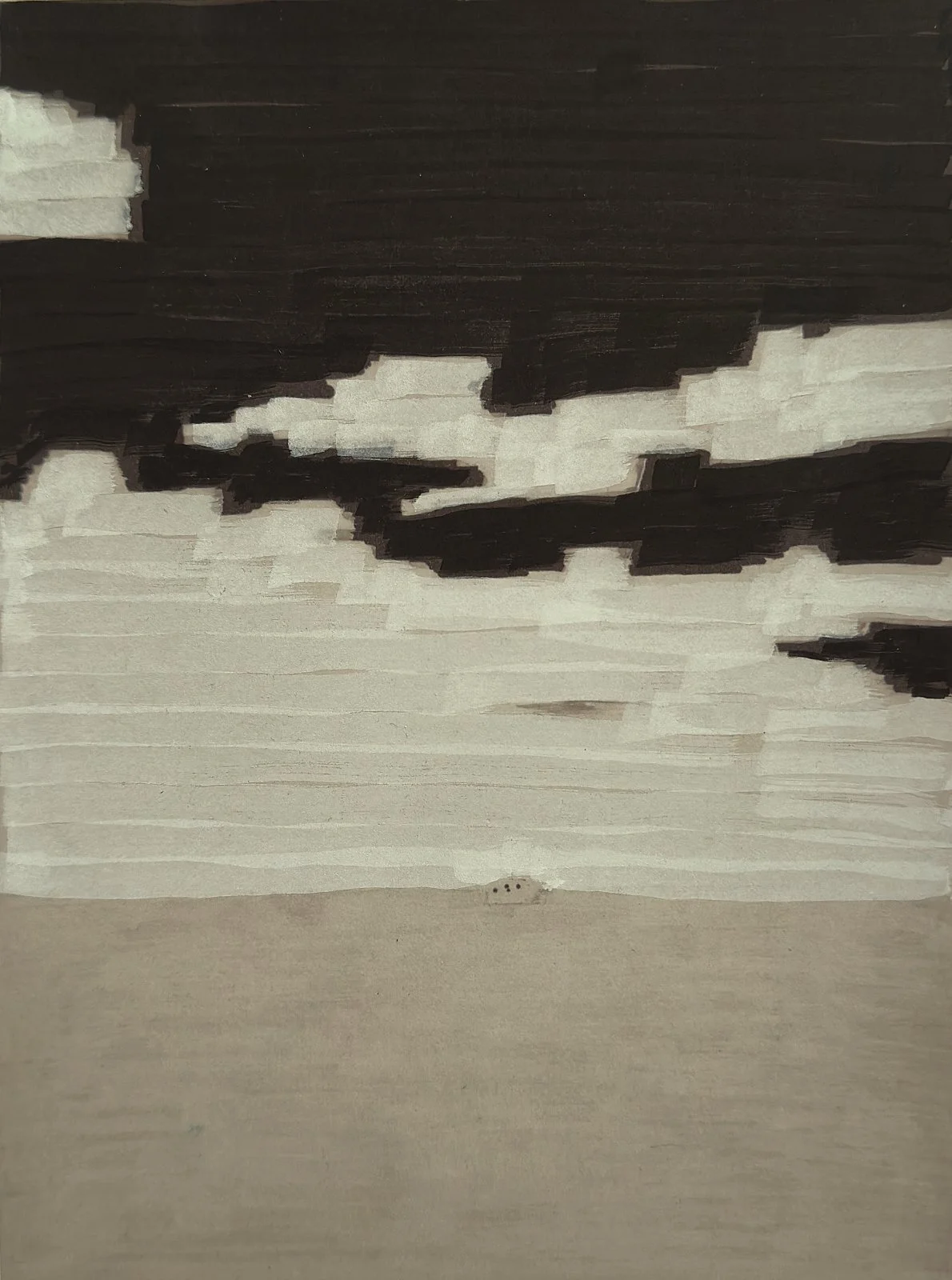
Photography taught me to observe closely, and I think that way of looking is still embedded in how I make paintings. I’m very aware of framing, cropping, light and what might be happening just beyond the edge of an image. Sometimes a plant or piece of architecture enters from the side almost as if the scene continues somewhere outside the painting.
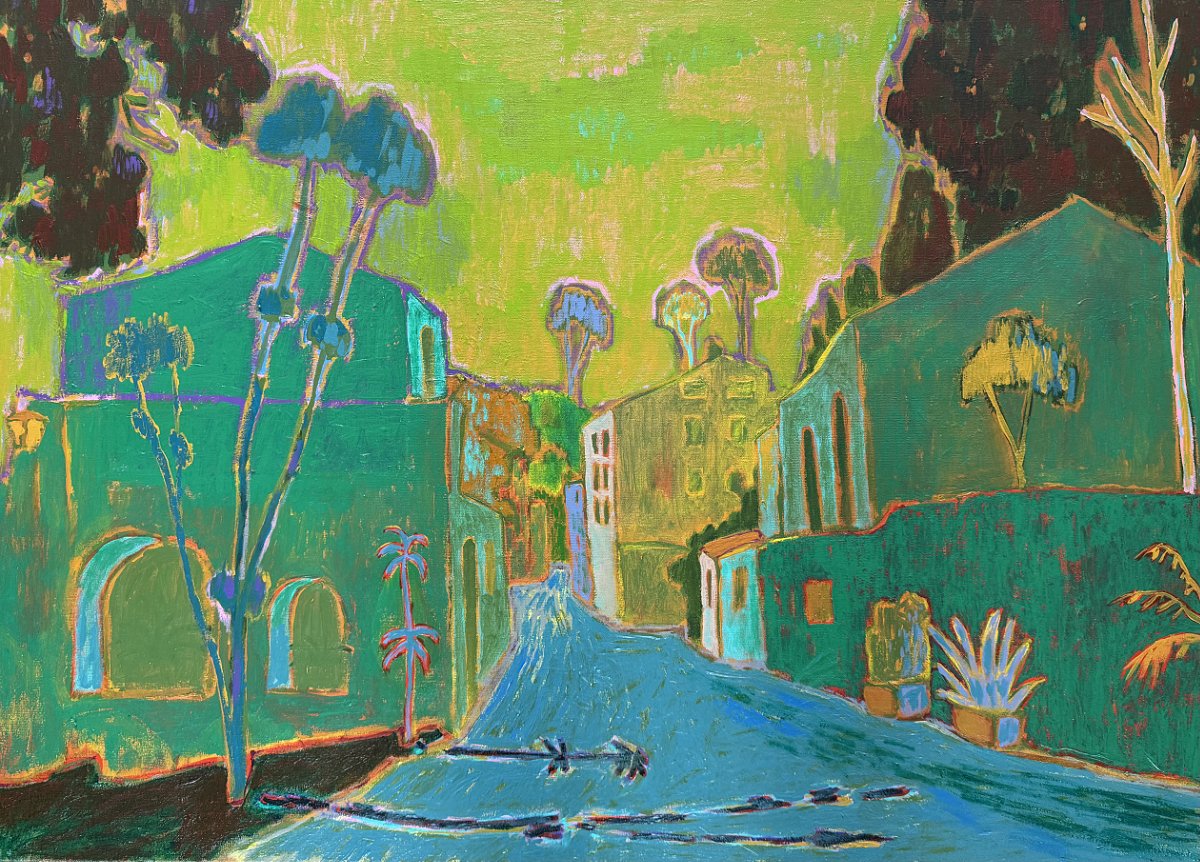
But painting also allowed me to question the logic I had learned through photography. With a camera there is always a relationship to something that was physically there, at a particular moment. In painting I can bring several places together, flatten depth, shift perspective or allow light and shadows to behave in ways that would be impossible in a photograph.
I’ve become less interested in how a place actually looks and more interested in what happens to it once it enters memory. Photography taught me to notice the world; painting gave me the freedom to rearrange it."
What does a typical day in the studio look like for you, and how has your art practice grown or changed?
I usually start the day quite slowly, with coffee and some reading, often with classical music on. I tend to get into the studio around mid-morning.
There are normally several works at different stages around me, so I move between them rather than working on one painting continuously until it is finished. I might work on something intensely, put it aside, begin something else and then suddenly understand what the first painting needs. A lot of the process is actually looking and waiting.
Over time, my practice has become less about individual paintings existing in isolation. I’ve started paying much more attention to the relationships between them. Certain plants, bodies of water, fragments of architecture, colours and compositions keep resurfacing without me consciously deciding that they should.
That has changed how I understand the work. A finished painting feels less like an endpoint now. Quite often it reveals something that continues in another painting later.
What draws you to found materials and everyday products as a medium?
It started very intuitively. I liked the idea that a painting didn’t always have to begin with a pristine white canvas.
I began using things that passed through my everyday life — cardboard, packaging, medicine boxes, book pages and other printed material. These surfaces already contain marks, text, damage and traces of their previous use, so there is immediately something there for me to respond to.
That eventually led me to painting over second-hand canvases as well. I’m fascinated by the fact that every one of these surfaces already has a past. I don’t necessarily want to erase that history. Sometimes I deliberately allow part of an earlier image or the original material to remain visible.
The new painting then becomes another layer rather than a completely new beginning. I think that connects naturally with my interest in memory too: things change, become obscured or acquire new meanings, but traces of what came before remain.
Has social media impacted your work?
It has had a significant impact on how the work reaches people. It allows me to share what is happening in the studio and to connect directly with artists, collectors, galleries and people interested in the work in places I might otherwise never have reached.
At the same time, I try to keep a clear distinction between sharing the work and making it. Social media gives you very immediate feedback, and it can be tempting to pay too much attention to which paintings receive the strongest response.
I don’t want that response to determine what happens next in the studio. Some ideas need time before I understand why I’m interested in them.
I prefer to think of social media as a window into the studio rather than a compass for the work.
How do observation and memory work together in your process?
They are almost impossible for me to separate.
A painting might begin with something I have actually seen — a tree, a room, a road, a piece of architecture or simply a particular quality of light. But I’m rarely interested in reproducing that place accurately.
Once I begin painting, other things start entering the image. A fragment from one place might combine with something remembered from somewhere completely different. Scale changes, perspectives shift, colours become less descriptive and sometimes elements appear that I can no longer trace back to a particular source.
What interests me is that memory is constantly editing reality. It removes things, exaggerates others and creates connections between experiences that were originally unrelated. Sometimes the transformed memory can feel more meaningful than an accurate record of what was actually there.
So observation is usually the starting point, but memory is what transforms it. The paintings often end up depicting places that feel familiar without ever having existed in exactly that form.
Do you have any exciting projects coming up you would like to share?
I’m currently developing An Unfinished Atlas of Imagined Places, a project that grew out of my Internal Geographies paintings.
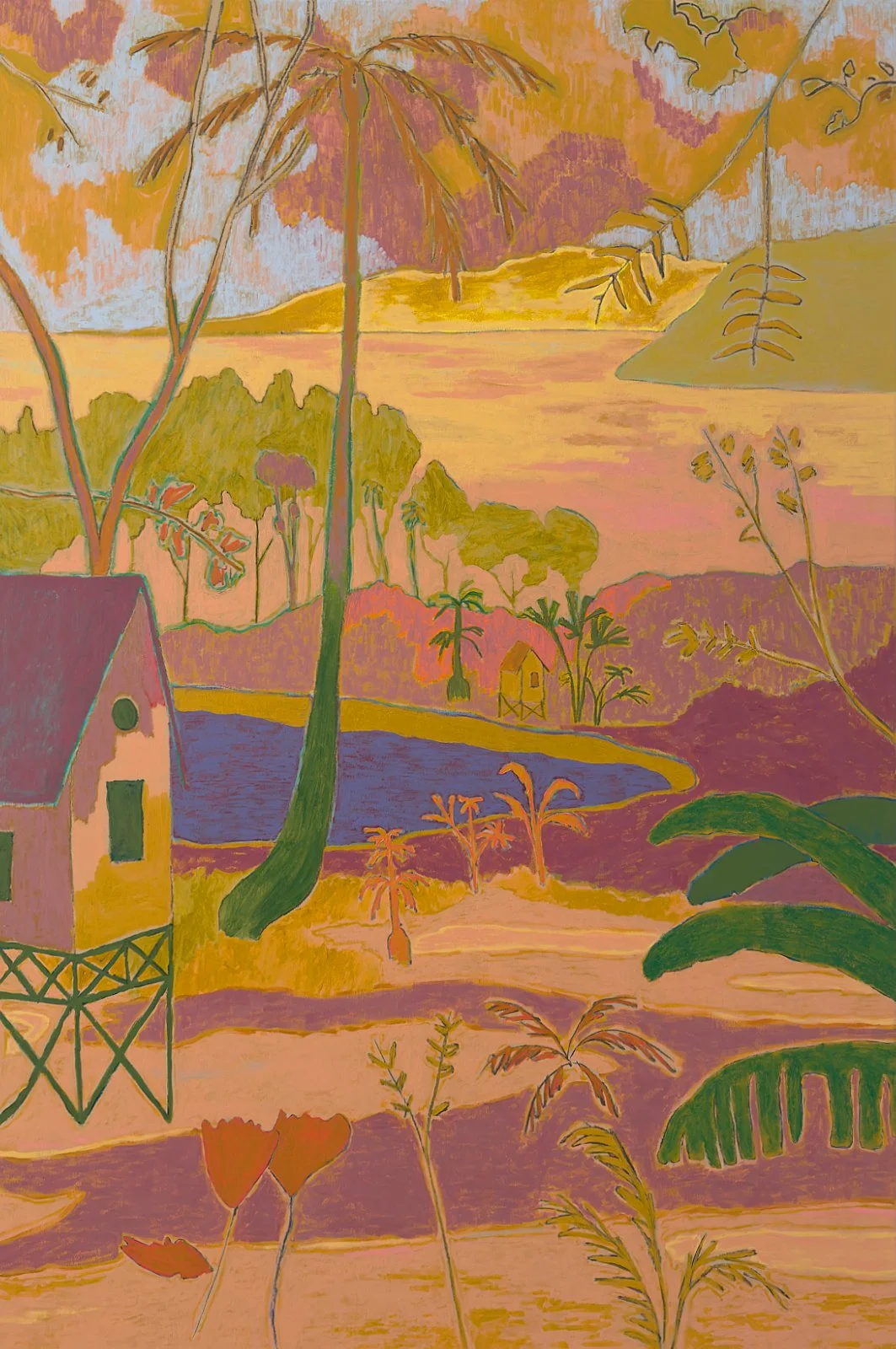
When I began looking back at work made across several years, I noticed that certain elements continually resurfaced — lakes, rivers, palms, ruins and fragments of architecture. None of these paintings had been consciously conceived as belonging to the same place, yet gradually they began to feel like fragments of a shared territory.
I started mapping those connections by treating individual paintings almost as surveys of that landscape. Works are assigned to fictional quadrants and accompanied by atlas notes recording recurring landmarks, possible connections and areas that remain unexplored.
What interests me most is that I didn’t invent a fictional world and then make paintings to illustrate it. The paintings came first. The atlas emerged afterwards, through discovering a geography that seemed to have been forming within the work without me fully realising it.
The fact that it is unfinished is essential to the project. New paintings can reveal new locations or connections, while some areas may remain unresolved indefinitely. Rather than mapping a world I already know, I’m using the atlas as a way of discovering one that is still taking shape.