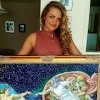
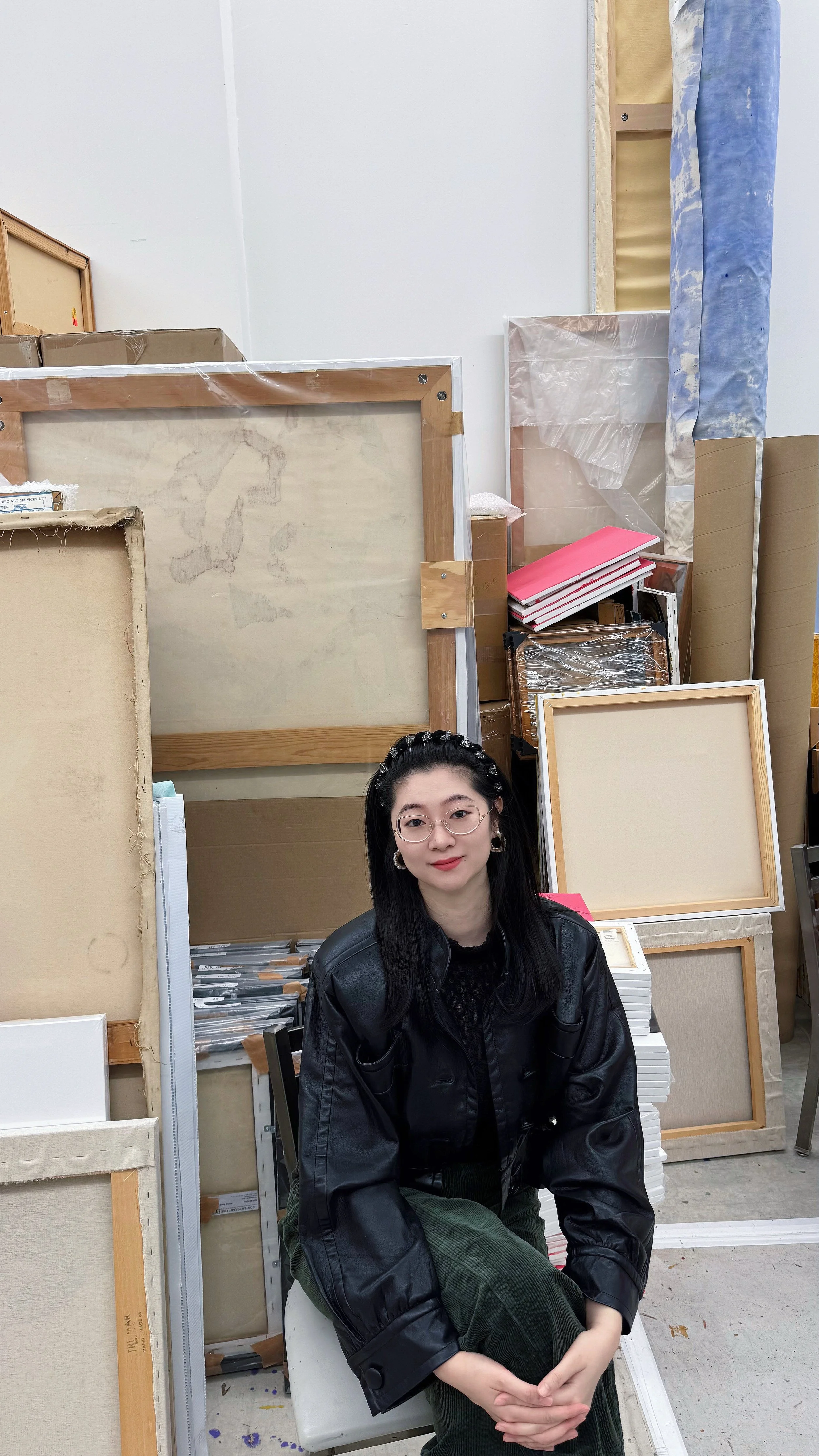
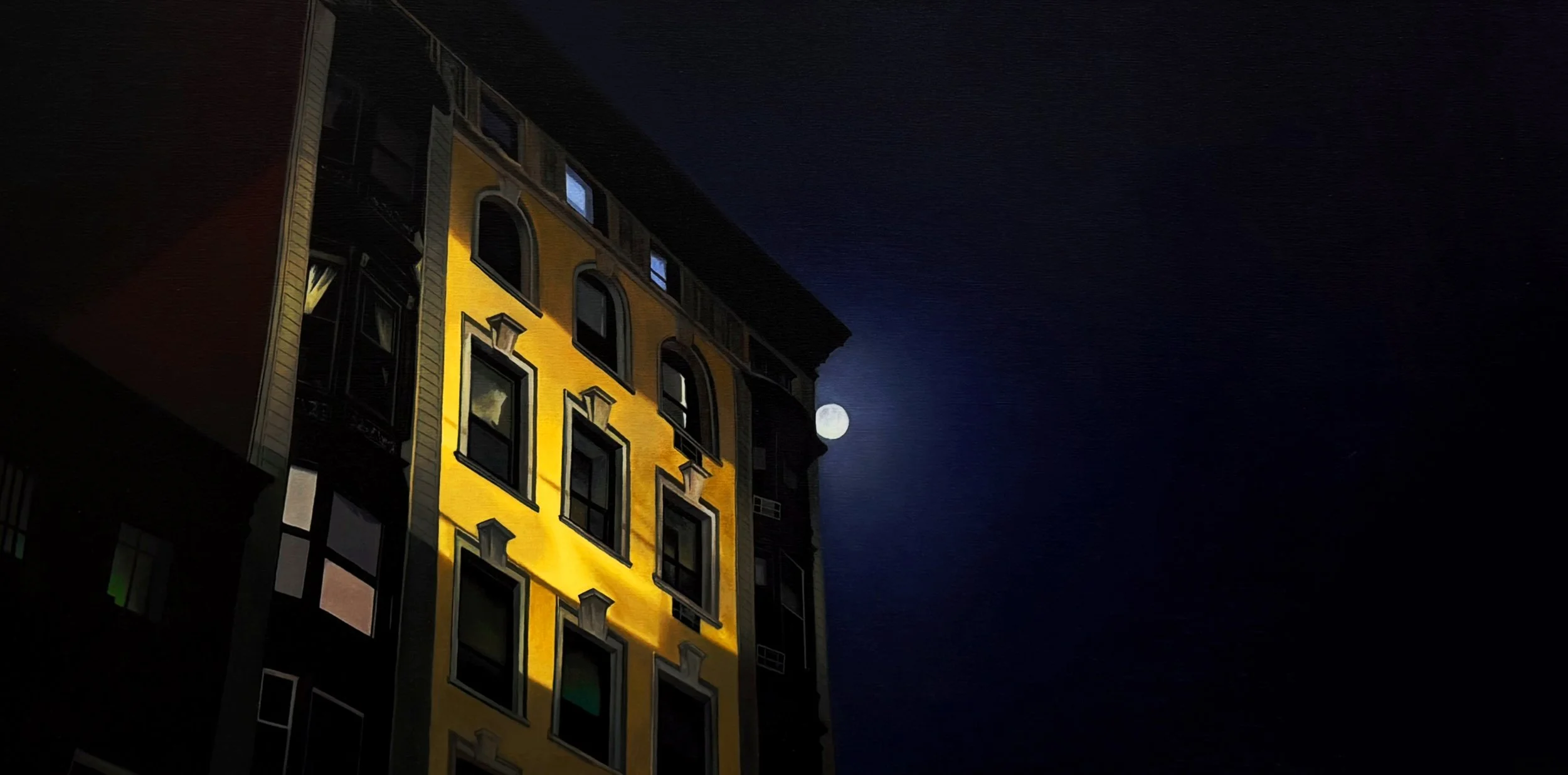
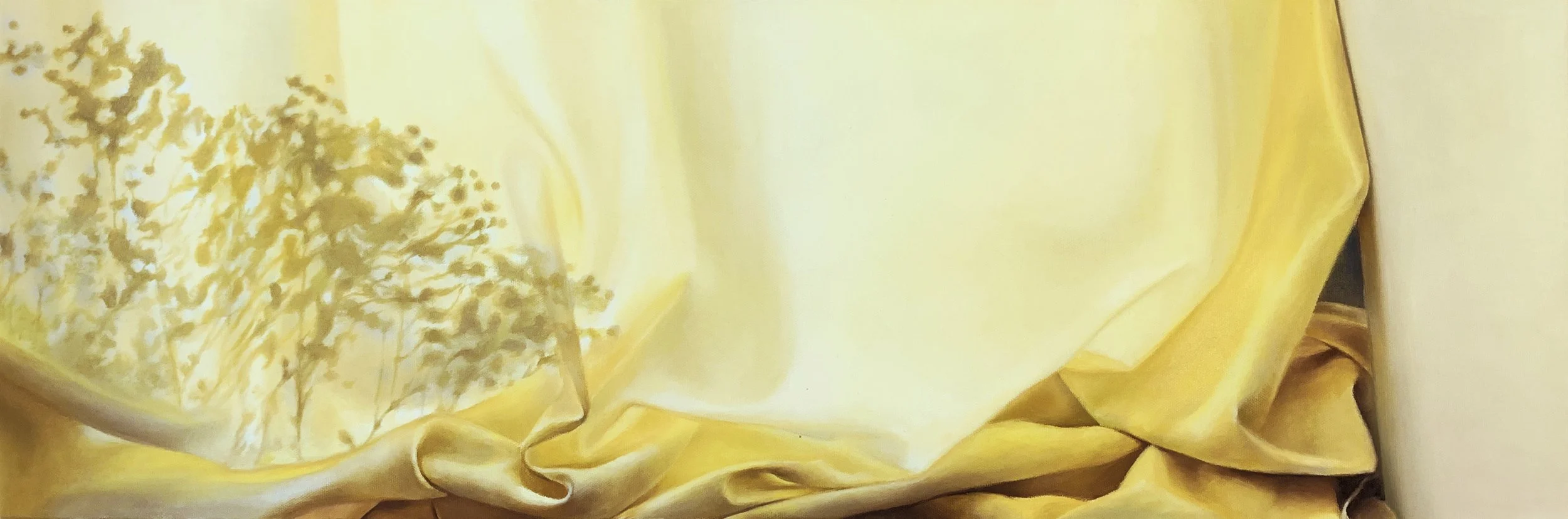
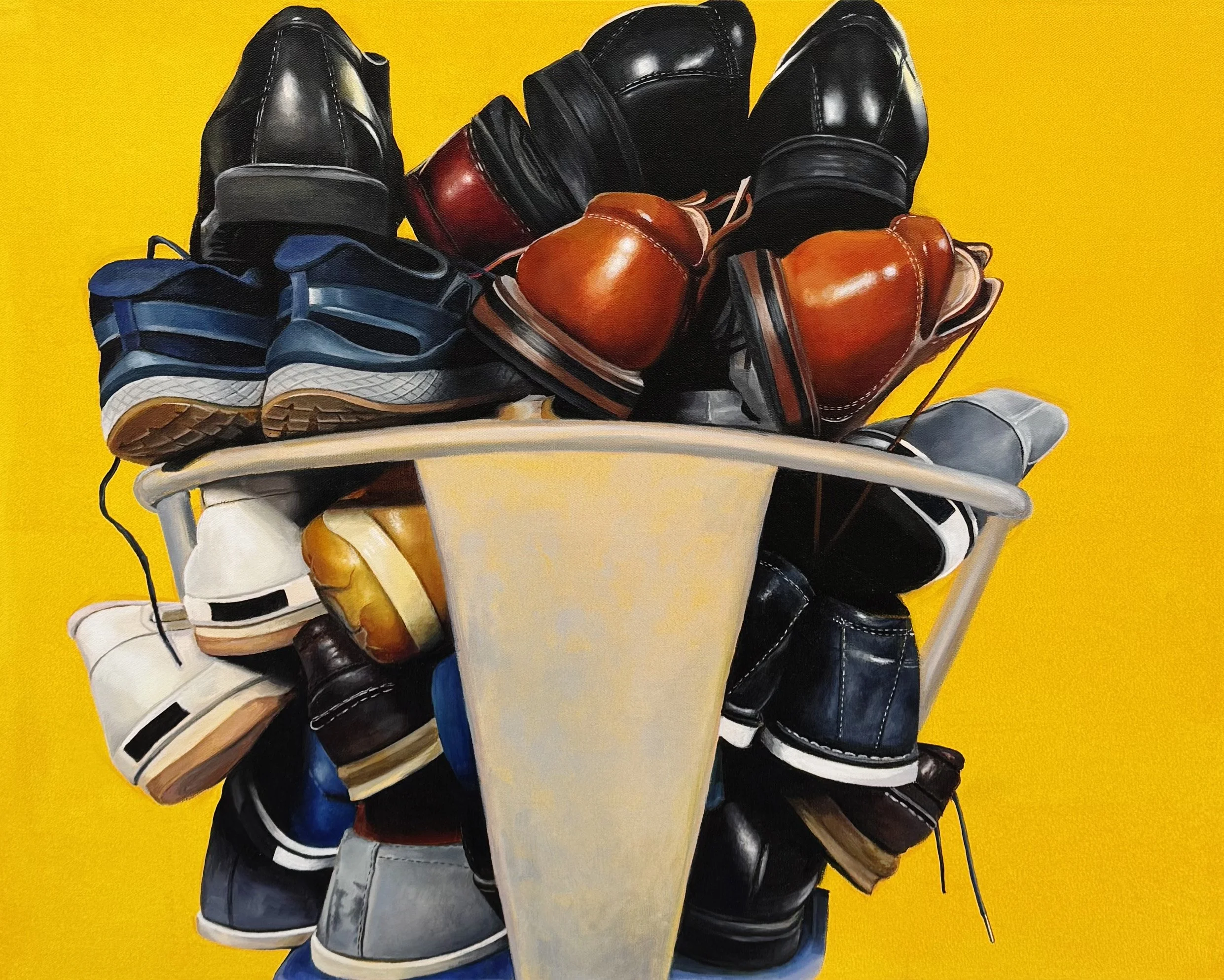
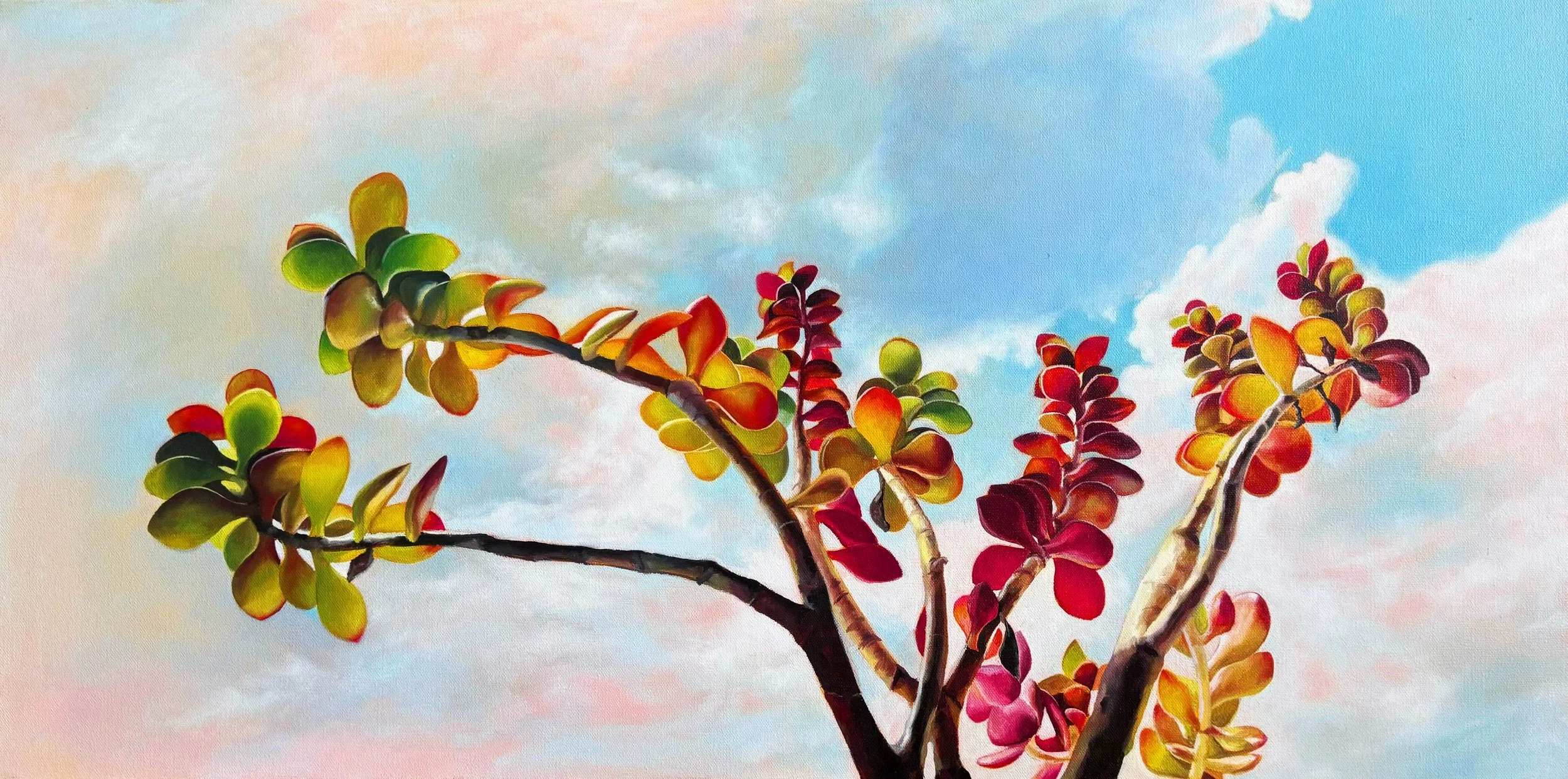
Shuyang Zhou, is a traditional oil painter living and working in New York City. Zhou’s paintings explore the liminal spaces between memory, materiality, and cultural translation. She’s fascinated by the mystery and unpredictability of everyday objects and of the people who inhabit them. Through her work, she transforms mundane observations, whether of a still life or a musician from the Philharmonic Orchestra, into meditations on impermanence, revealing the surprising poetry hidden within the familiar.
How did your creative journey begin?
It began when I was eight, in Beijing. Fridays at my primary school were half-days, and no one in my family could come for me at noon. Many of my classmates were in the same boat so an art academy sent a shuttle bus to gather up the children who wanted an afternoon of art. It also fed us lunch. When they asked what I wanted to learn I answered with a certainty that surprised even me: sketching-still life. The program director worried I was too young and gently suggested that I begin with children's drawing instead. I wouldn't move. I refused to bend. In the end they gave in on the condition that they would watch my performance to see whether I could keep up. And that is how it began. The curious part is that I had no idea what sketching was. I cannot tell you where I had seen it or heard of it or why I held on to it so fiercely. Over those six years of primary school I studied many things: Peking opera, piano, xylophone, violin, ballet - each discipline for years and each with a gift with which I never quite knew what to do. One by one they fell away. Only painting remained. It is the one I will keep for the rest of my life.
To you, what defines a "liminal space" and how does this influence your work?
I'll be honest: I wasn't familiar with the internet-culture sense of "liminal space." What I found instead was Victor Turner's use of the words as the "in-between" stage of ritual, a passage belonging neither to what came before nor to what comes after. If that is the sense in which you ask, then yes: something of that state lives in my paintings. There is no answer in them, no fixed destination. I do not decide in advance where a painting will go. As Cecil Taylor said, "If the music is true, the form takes care of itself." Jack Kerouac put it another way: "Something that you feel will find its own form." I have come to feel the same about painting. Since the phrase was unknown to me it could hardly have influenced my work but perhaps I have been working inside that threshold all along, simply without a name for it.
What does a typical day in the studio look like for you and how has your art practice grown or changed?
I don't have a typical day, and I've come to think that's a good thing. I paint whenever I have the time and the energy. There's no fixed hour to begin or to stop. I simply keep painting and changes and growth emerge naturally often in ways I didn't foresee. As for how it has grown: it has moved steadily towards feeling. What I am doing now is to let emotion lead and to strip away the cold, theoretical idea of "how to finish a perfect painting." Everything I was taught: the flawless composition, virtuosity for its own sake was in the end uniform. And uniform is cold, and dull. Gradually I no longer needed those things as a safe harbor. What I'm in now feels like the moment you let go of the swimming ring. The unknown invites me more than an inherited safety.
Music appears to be a key inspiration for you. What draws you to depicting instruments and musicians?
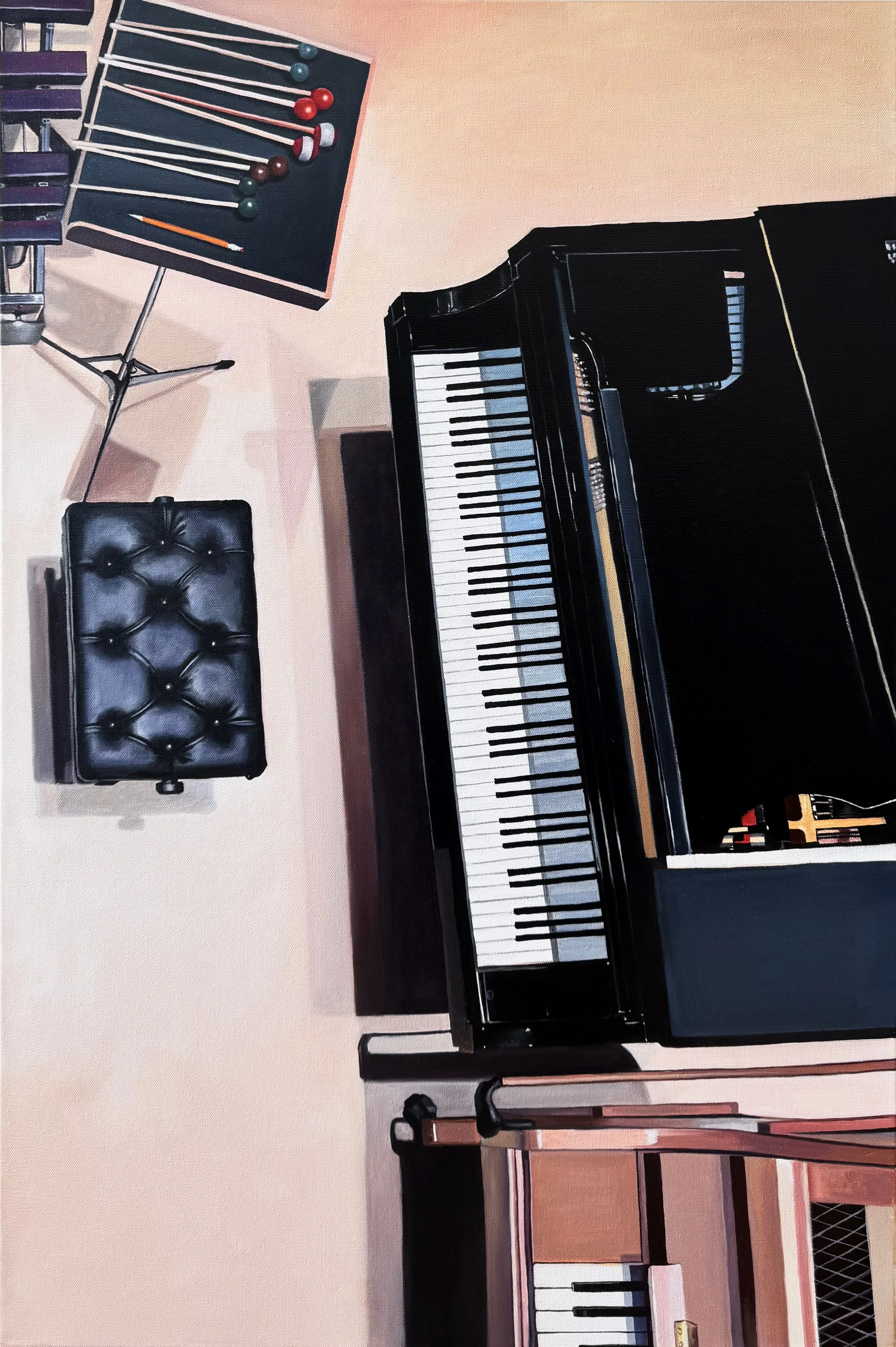
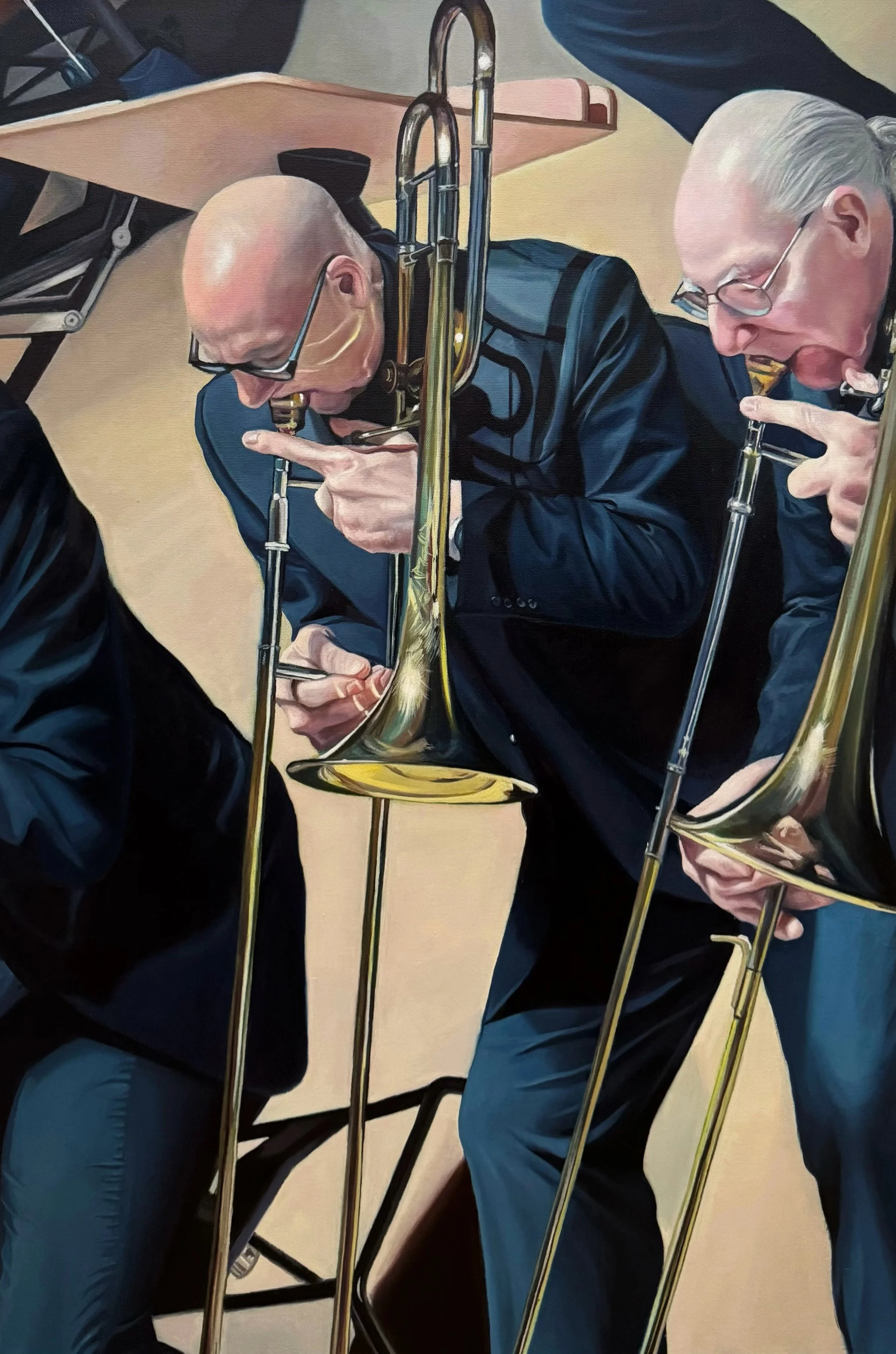
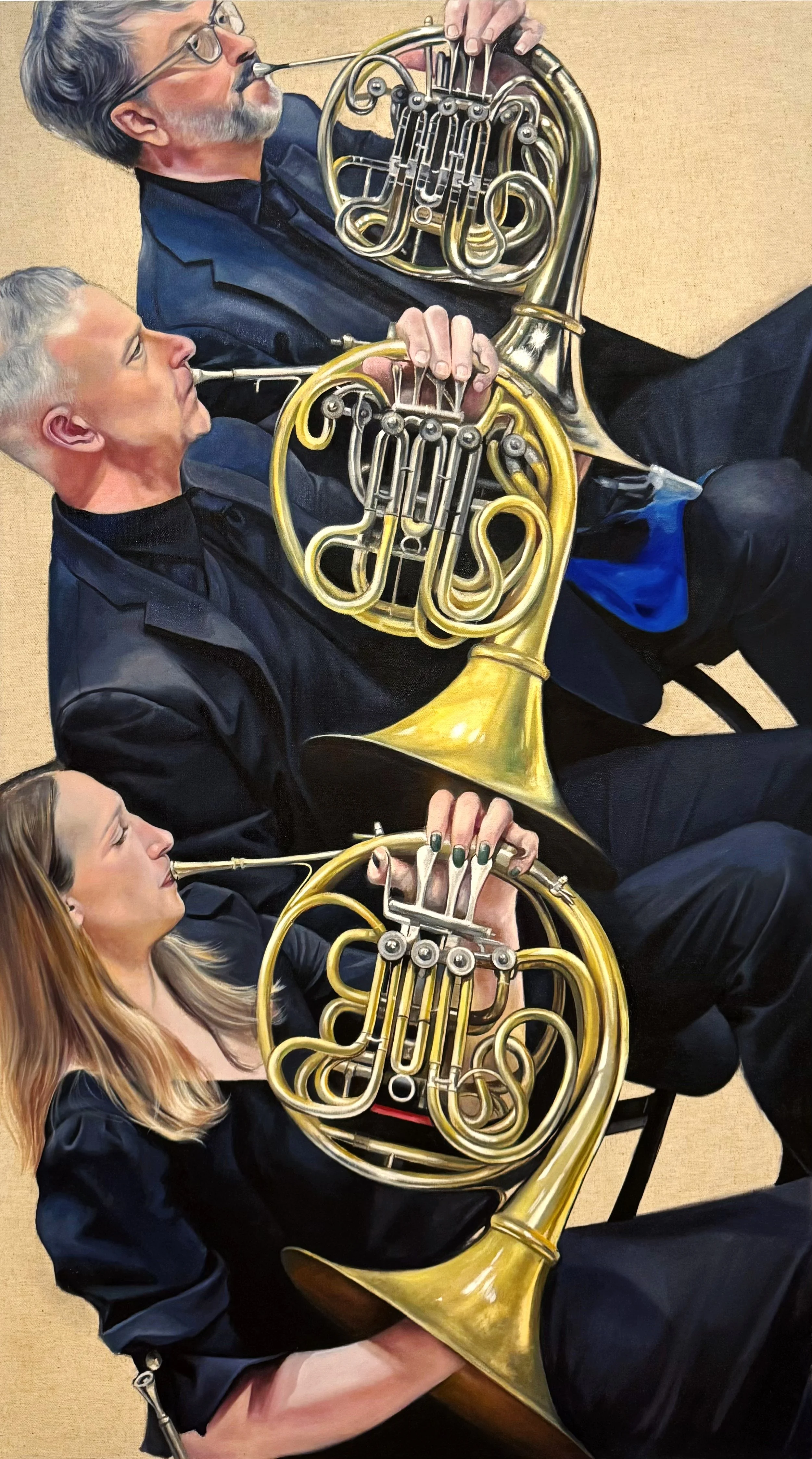
Music came to me early though never formally. My mother played a different classical piece for me each morning. My breakfasts had a soundtrack. My father kept only one kind of music in his car: symphonies. I studied many instruments as a child and gave them all up yet classical music has stayed with me as something familiar and dependable. Most of the time I paint with it playing in the background. That is why I go to the New York Philharmonic as often as my circumstances allow. For a while I was curious about how the David Geffen Hall itself shapes what one hears so I tried seat after seat wanting to know what the music sounded like from every direction. Eventually I found what I believe is the ideal place: the First or Second Tier on either side. There you are close enough to watch the musicians and the conductor in detail. Close enough to feel that you are sitting inside the music. Recently I began spending time watching the musicians as they warm up. I find it an intimate but public conversation. I watch them reacquaint themselves with instruments they may have held only hours before. These brief exercises seemed to me an available but private narrative, one I had not seen in paintings by other artists. After nearly two years of looking I have only recently begun to paint this series which includes the instruments as well. I am pleased with this new subject and am excited by the visual territory it opens. Territory that feels fresh to me and to which I have a deeply emotional connection. I wouldn't actually call music my key inspiration. It's a presence in my life rather than the source of my work. I paint whatever interests me deeply. Music is one of those subjects, but the impulse is the same for everything I'm drawn to.
How has social media impacted your work?
It hasn't changed how I paint. My time in the studio stays deliberately separate from all of that, but it has changed how the work reaches people. Social media is, undeniably, one of the most effective and immediate ways to show one's work and bring it before an audience. Of that I have no doubt. What I am still working out is the form that suits me. So far, my most active channel has been my own website wherein the moment a painting is finished, it goes up. Measured against social media my rhythm is slower, more traditional. Perhaps more deliberate. I expect that to change. And if I can make the most of what social media does best I would be glad to engage it.
In your daily life, how do you find poetry within the familiar? Is it an easy process that comes naturally, or does it take effort?
That's a wonderful question and my answer is I'm not sure. I doubt a poet sits down thinking, “What I write next must be a poem.” Everything has to begin with one's own capacity to feel. Only then might what follows become poetry. If you try to extract a rule from it or turn it into a method it becomes soulless, an empty equation, with nothing of poetry left in it. Seamus Heaney said that poetry is “more a threshold than a path” and that the real experiment happens “when the poem carries you beyond where you could have reasonably expected to go.” You cannot plan the threshold, you can only arrive at it and wait. As for effort, I think everything takes a great deal of it. Mary Oliver's poems often went through forty or fifty drafts before she considered them finished. What we call “natural” is usually a surprise that arrives after the work has already been done. The ease is real but it comes second.
What kind of emotional experience do you hope viewers carry with them after encountering your work?
I don't hope they carry away a message, I hope they carry away a pause. If someone stands in front of a painting a little longer than they planned, unable to say exactly why, then the work has done what I wanted it to do. I'm not trying to tell them what to feel. I'd rather they leave with something they can't quite name, not a message, not a mood I've prescribed. An unknown feeling is always more compelling than a definite answer.